How it works
Simple on purpose.
No account to create, no portal to log into, no dispatcher to explain the same job to twice. Three steps between “this has to get there” and it being there.
(202) 805-0054How it works
No account to create, no portal to log into, no dispatcher to explain the same job to twice. Three steps between “this has to get there” and it being there.
(202) 805-0054What, where from, where to, and when.
A text is the fastest way. Use the quote form if you would rather type it out. Either way the details that matter are: what is moving, the pickup address, the drop-off address, and the time it has to land. Photos help if the freight is unusual.
Take two minutes with the details. A run described properly gets quoted faster than one that needs a follow-up question.
A price for that job, and a window you can plan around.
Not a rate sheet, not a range that doubles at the end. If the job needs a question answered first — access, weight, a hard deadline — you hear that back instead of a guess. Once it is agreed, the run is on the schedule.
Commercial accounts can set standing orders so this step happens once, not every week.
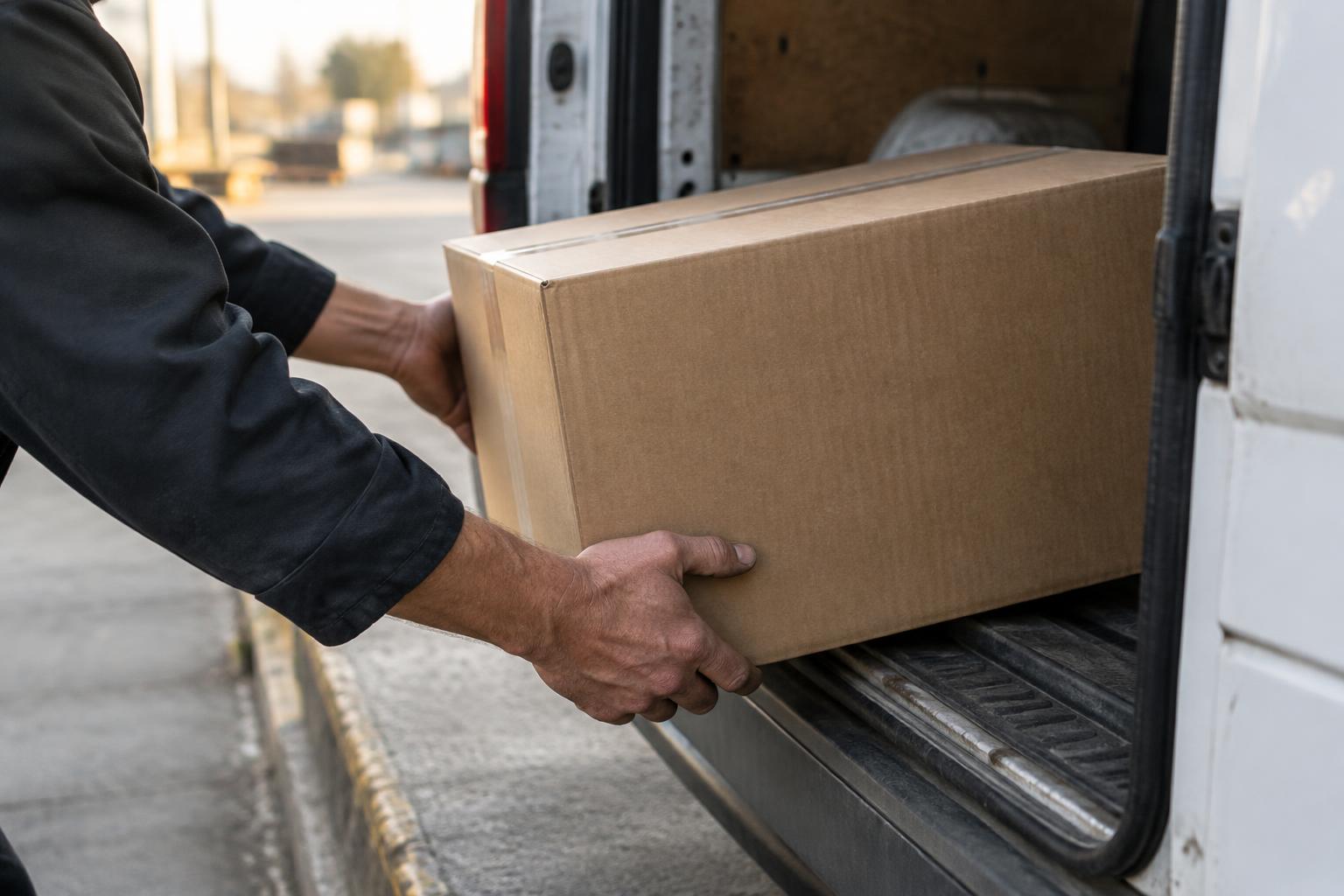
Loaded, driven, handed to a person.
One driver from the pickup to the drop-off, so nothing is transferred between vehicles. The delivery goes to the person who needs it, not left in a lobby. You get word when it lands.
If something changes mid-run — a dock is closed, a contact is out — you hear about it from the driver.
Text first
Fastest answer during a working day.
Same-day
When the request comes in early enough.
Standing orders
A route that runs without re-explaining.
Send the quote form on this site, or text and call (202) 805-0054. Tell us what is moving, where it is coming from, where it is going and when it needs to be there. Most requests get a real answer the same day.
Same-day is normal when you get in touch early. If the request comes in late in the day, the honest answer may be first thing the next morning, and you will hear that straight away rather than after you have already promised a customer.
Yes. The regular area is Washington DC, Maryland and Northern Virginia — the DMV. If a run starts here and ends a little further out, say so in the request and it can be worked out.
It depends on the run: the distance, the time of day, how much is moving and how quickly it has to be there. Send the details and you get a number for that specific job, not a rate sheet that does not match it.
That is the best way to use a courier. Weekly or twice-weekly routes, the same stops, an arrangement that does not need re-explaining every time. Describe the rhythm you need and it can be built around your business.
You are texting the person driving, so a change reaches the van directly instead of going through a call center. If a drop-off time moves or the address is wrong, you will hear about it from the driver, not from a tracking page.
Text or call and you are talking to the person driving the van. Describe the run in a sentence and you will get a straight answer.